
Best Homogenizer for Cell Lysis: Ultrasonic vs Bead Mill vs Rotor-Stator
5th Oct 2026
Best Homogenizer for Cell Lysis: Ultrasonic vs Rotor-Stator vs Bead Mill
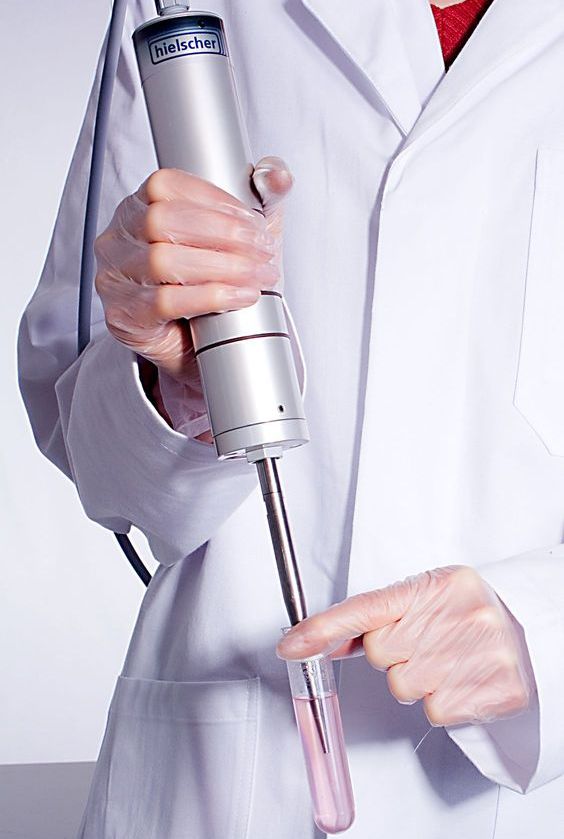
For many bacterial cell suspensions, protein extraction workflows and liquid biological samples, an ultrasonic homogenizer or sonicator is one of the most effective choices because acoustic cavitation can rapidly disrupt cell membranes and walls.
For tissue samples, fibrous biological material and bulk samples, a rotor-stator homogenizer is often the better first step because its mechanical shear can rapidly break the sample into a uniform suspension.
For yeast, fungi, hard bacterial cells, plant material and other mechanically resistant samples, a bead mill or bead beating homogenizer can be especially effective because repeated bead impacts physically fracture tough cell walls.
In many research workflows, the best solution is actually a combination:
Rotor-stator for bulk tissue disruption → ultrasonic processing for final cell lysis and extraction.
Key Takeaways
- Ultrasonic homogenizers: excellent for bacterial cell lysis, protein extraction, intracellular compound recovery and controlled liquid sample disruption.
- Rotor-stator homogenizers: excellent for tissue, fibrous material and converting a heterogeneous biological sample into a uniform suspension.
- Bead mills: especially useful for yeast, fungi, plants, bacteria and other samples with tough cell walls.
- Mammalian cells are generally easier to disrupt than bacteria, yeast or plant cells and may require less aggressive processing.
- Gram positive bacteria are often harder to lyse mechanically than Gram negative bacteria because of their thicker peptidoglycan cell wall.
- Excessive processing can damage proteins, nucleic acids or other analytes even when cell disruption itself is successful.
- Temperature control is important because all three mechanical approaches can generate heat.
- High throughput laboratories should evaluate multi vial and 96-well systems rather than assuming every sample must be processed individually.
What Does Cell Lysis Mean?
Cell lysis is the process of disrupting a cell membrane, cell wall or both so that material contained inside the cell becomes available for extraction or analysis.
Depending on the experiment, the target may include:
- proteins
- enzymes
- DNA
- RNA
- organelles
- lipids
- metabolites
- phytochemicals
- intracellular products from fermentation
The liquid containing released intracellular components is generally referred to as the cell lysate.
The challenge is that different cells have very different physical structures.
A mammalian cell membrane is not mechanically equivalent to:
- a bacterial cell wall
- a yeast cell wall
- a fungal structure
- a plant cell containing cellulose
- a piece of muscle tissue containing connective fibers
That is why there is no single universally best cell lysis machine.
The Three Major Mechanical Methods
For laboratories comparing homogenization equipment, three of the most common mechanical approaches are:
- Ultrasonic homogenization / sonication
- Rotor-stator homogenization
- Bead milling / bead beating
All three physically disrupt biological material, but they deliver energy to the sample differently.
Cell Lysis Method Comparison
| Feature | Ultrasonic / Sonicator | Rotor-Stator | Bead Mill |
|---|---|---|---|
| Main mechanism | Acoustic cavitation and hydrodynamic shear | Mechanical high shear between rotor and stator | Repeated mechanical impact from beads |
| Bacterial cell lysis | Excellent | Good, application dependent | Excellent |
| Yeast and fungi | Good to excellent | Application dependent | Excellent |
| Mammalian cells | Excellent with controlled settings | Excellent | Can work but may be unnecessarily aggressive |
| Tissue | Good after sample preparation | Excellent | Excellent for many small tissue samples |
| Plant material | Application dependent | Very good | Excellent |
| Protein extraction | Excellent | Excellent as part of sample preparation | Excellent |
| Small liquid samples | Excellent | Depends on dispersing head | Excellent |
| 96-well throughput | Excellent with plate sonicator | Not normally the preferred format | Excellent with compatible plate bead mills |
| Heat generation | Yes | Yes | Yes |
| Cross contamination control | Excellent with indirect closed vial or plate systems | Head usually contacts each sample | Excellent when samples remain sealed |
Ultrasonic Homogenizers for Cell Lysis
Ultrasonic homogenization is one of the most widely used mechanical methods for disrupting cells in biotechnology, microbiology, molecular biology and biochemical research.
A sonicator generates high intensity ultrasonic waves inside the liquid sample.
These waves create alternating high and low pressure cycles.
During the low pressure phase, microscopic cavities form in the liquid.
Those cavities grow and then collapse violently.
This phenomenon is called acoustic cavitation.
The collapsing bubbles produce intense localized:
- hydrodynamic shear
- pressure changes
- microjets
- turbulence
- liquid acceleration
These forces can rupture cell membranes and walls, releasing intracellular compounds into the surrounding buffer.
Common ultrasonic cell lysis applications
- E. coli disruption
- bacterial protein extraction
- mammalian cell lysis
- yeast disruption
- enzyme extraction
- DNA and RNA sample preparation
- cellular extract preparation
- intracellular metabolite recovery
- organelle extraction
Probe Sonication vs Non Contact Sonication
Not all ultrasonic cell lysis is performed with a probe inside the sample.
Probe Sonication
A traditional ultrasonic homogenizer uses a titanium probe, also called a sonotrode, that is immersed directly into the sample.
Advantages include:
- very high energy density
- direct control of amplitude
- rapid cell disruption
- flexibility across many sample volumes
Potential disadvantages include:
- probe cleaning between samples
- possible carryover between samples
- probe tip erosion over time
- more hands on work when processing large numbers of samples
Indirect Sonication
Indirect ultrasonic systems transfer energy through the sample vessel rather than inserting a probe into the liquid.
This can be especially useful for:
- multiple samples
- sealed samples
- sterile workflows
- high throughput sample preparation
- applications where minimizing cross contamination matters
Hielscher VialTweeter for Multi Sample Cell Lysis
One option currently available from HiTechTrader is the:
Hielscher VialTweeter Ultrasonic Homogenizer .
The VialTweeter allows multiple closed sample vials to receive ultrasonic energy simultaneously.
The current HiTechTrader configuration is designed for up to 10 Eppendorf-style vials and uses a 200-watt ultrasonic processor.
Because the sonotrode does not enter the individual samples, the VialTweeter can reduce:
- probe to sample contamination
- repeated cleaning
- sample transfers
- manual handling

96-Well Sonication for High Throughput Cell Lysis
For laboratories processing substantially more samples, a plate-based ultrasonic system can move cell lysis into a true high throughput workflow.
HiTechTrader carries the:
Hielscher 96-Well Plate Ultrasonic Mixer / Homogenizer .
The system is intended for applications including:
- cell lysis
- protein extraction
- cell homogenization
- cell solubilization
- DNA fragmentation
- high-throughput sample preparation

For more detail, see:
Rotor-Stator Homogenizers for Cell Lysis
A rotor-stator homogenizer attacks the sample mechanically.
A rapidly rotating rotor spins inside a stationary stator.
Material is drawn into the dispersing head and forced through a narrow high-shear region.
This produces:
- mechanical shear
- turbulence
- cutting forces
- rapid acceleration
- particle and tissue disruption
Rotor-stator systems are particularly valuable when the starting material is not simply a liquid cell suspension.
For example, a piece of liver, muscle or plant tissue usually needs to be broken into a uniform suspension before efficient molecular extraction can occur.
Example: Kinematica Polytron PT MR 2100
HiTechTrader currently carries the:
Kinematica Polytron PT MR 2100 Homogenizer .
The PT MR 2100 uses the rotor-stator principle and is designed for dispersing, emulsifying, suspending and homogenizing.
The current HiTechTrader unit uses a 500-watt motor, operates from approximately 11,000 to 30,000 rpm, and supports multiple interchangeable dispersing aggregates for different sample types and volumes.

For a deeper comparison of mechanical and ultrasonic technologies, read:
Rotor-Stator vs Ultrasonic Homogenizer: Which Is Better for Your Lab?
What Is a Bead Mill Homogenizer?
A bead mill homogenizer, sometimes called a bead beater, disrupts cells by rapidly moving small beads through the sample.
Depending on the application, the beads may be made from:
- glass
- ceramic materials
- zirconia
- stainless steel
- other dense materials
As the sample vessel moves rapidly, the beads collide with cells and tissue.
The repeated impacts physically break:
- cell membranes
- cell walls
- tissue structures
- fibrous material
This makes bead milling particularly useful for mechanically tough biological samples.
Why Bead Mills Work Well for Tough Cells
Certain organisms have structures specifically designed to resist environmental stress.
Examples include:
- yeast
- fungi
- many Gram positive bacteria
- plant cells
- spores
For those samples, repeated bead impact can be extremely effective.
A bead mill also allows multiple sealed sample tubes to be processed together, which makes the method attractive for high throughput microbiology and molecular biology workflows.
HiTechTrader does not currently have a dedicated bead mill listing in the homogenizer inventory. If your application specifically requires bead beating, you can contact HiTechTrader to source one .
Best Homogenizer for Bacterial Cell Lysis
For bacterial cells, both sonication and bead beating are strong options.
Ultrasonic homogenization
Sonication is widely used for bacterial cell disruption because high intensity cavitation can rapidly rupture cells and release intracellular proteins.
It is particularly attractive when:
- the cells are already suspended in buffer
- protein recovery is the objective
- sample volume is relatively small
- precise processing control is important
Bead milling
Bead beating is especially useful for bacteria that are difficult to lyse mechanically.
It can also be attractive when many individual samples need to remain sealed.
What about rotor-stator?
A rotor-stator can homogenize bacterial suspensions, but it may not always produce the same level of direct cell-wall disruption as a high-intensity sonicator or bead mill.
Its usefulness increases when the bacterial sample is part of a more complex tissue or environmental matrix.
Gram Positive vs Gram Negative Bacteria
Not all bacteria require the same lysis conditions.
Gram positive bacteria generally contain a much thicker peptidoglycan cell wall than Gram negative bacteria.
As a result, Gram positive organisms can require more aggressive mechanical treatment.
Possible strategies include:
- longer sonication
- higher energy input
- pulse sonication
- bead beating
- enzymatic pretreatment followed by mechanical disruption
- combined mechanical approaches
Best Homogenizer for E. coli Cell Lysis
For laboratory scale E. coli lysis, a probe sonicator is one of the most common choices.
The cells are typically suspended in an appropriate lysis buffer and processed using controlled ultrasonic energy.
Pulse mode sonication is often used to allow heat to dissipate between bursts.
After lysis, the sample can be centrifuged so insoluble cell debris forms a pellet while soluble proteins and intracellular material remain in the supernatant.
For multiple E. coli samples, indirect multi vial systems can reduce repeated probe handling.
Best Homogenizer for Mammalian Cell Lysis
Mammalian cells generally do not have the rigid cell walls found in bacteria, yeast or plants.
That means they often require less aggressive mechanical treatment.
Options include:
- gentle rotor-stator homogenization
- controlled sonication
- chemical lysis combined with mechanical treatment
- needle or syringe-based disruption for some applications
The biggest risk is often overprocessing.
If the objective is to recover intact organelles, enzymes or functional proteins, excessive mechanical disruption may be counterproductive.
Best Homogenizer for Yeast Cell Lysis
Yeast cells have a mechanically robust cell wall containing polysaccharides and structural proteins.
They can therefore be considerably more difficult to disrupt than mammalian cells.
Common approaches include:
- bead beating
- high-intensity sonication
- enzymatic pretreatment
- combined chemical and mechanical lysis
For multiple yeast samples, a bead mill can be particularly attractive because sealed tubes containing beads can be processed in parallel.
Ultrasound can also be effective when the method is optimized for the specific strain, concentration and desired analyte.
Best Homogenizer for Fungal Cells
Fungi can be challenging because their cell walls may contain chitin, glucans and other mechanically resistant materials.
For many fungal samples, bead milling provides strong physical disruption.
Ultrasonication may then be used to improve extraction of intracellular material from the disrupted sample.
Best Homogenizer for Plant Cells
Plant cells are surrounded by cellulose rich cell walls and can be particularly resistant to simple liquid mixing.
Depending on sample type, effective options include:
- bead milling
- rotor-stator homogenization
- grinding followed by sonication
- cryogenic grinding for certain tissues
For leaves and soft plant tissues, a rotor-stator may rapidly create a uniform slurry.
For seeds, stems, woody tissue or other hard material, pre-grinding or bead milling may be more appropriate.
Best Homogenizer for Tissue Samples
Tissue is one of the strongest cases for rotor-stator homogenization.
Biological tissue may contain:
- connective fibers
- muscle fibers
- extracellular matrix
- fat
- blood
- multiple cell types
Before efficient extraction can occur, the bulk structure often needs to be reduced to a more uniform suspension.
A rotor-stator is very good at that job.
A common tissue workflow
A practical protein-extraction workflow may look like:
Tissue + extraction buffer → rotor-stator homogenization → controlled sonication → refrigerated centrifugation → collect supernatant
This combines the strengths of both technologies.
Best Homogenizer for Protein Extraction
If your real objective is protein extraction rather than merely “destroying cells,” equipment selection should focus on protein recovery.
Important factors include:
- lysis efficiency
- temperature
- processing time
- foaming
- sample oxidation
- protease activity
- protein denaturation
A successful homogenization method should release the desired proteins without unnecessarily damaging them.
Ultrasonic protein extraction
Sonication can provide excellent extraction efficiency because cavitation rapidly opens cells and improves mass transfer.
However, intensive ultrasonic processing also generates heat.
For sensitive proteins, use:
- pulse mode
- cooling
- short controlled processing intervals
- temperature monitoring
Rotor-stator protein extraction
Rotor-stator homogenization is extremely useful when protein must first be extracted from solid tissue.
It reduces tissue into a uniform suspension and dramatically increases the surface area exposed to the extraction buffer.
Bead-based extraction
Bead beating is particularly valuable when proteins must be recovered from:
- yeast
- fungi
- hard bacteria
- plants
Best Homogenizer for DNA and RNA Extraction
For nucleic acid extraction, the objective is often to achieve sufficient cell disruption while avoiding unnecessary fragmentation of the target material.
This is especially important for high molecular weight DNA.
Aggressive sonication can deliberately fragment DNA, which is useful in some applications but undesirable in others.
Therefore:
- Use controlled energy when intact DNA is required.
- Use more intensive sonication when deliberate fragmentation is part of the method.
- Control temperature carefully for RNA related workflows.
- Use sealed sample formats when contamination control is critical.
Cell Lysis vs Cell Disaggregation
These terms should not be confused.
Cell disaggregation means separating cells that are clumped together while attempting to keep individual cells intact.
Cell lysis means deliberately rupturing the cell so intracellular contents are released.
Interestingly, the same ultrasonic system may be capable of both.
The difference is the energy input.
Lower controlled ultrasonic intensity may separate aggregates without destroying cells.
Greater energy can cross the lysis threshold and rupture cell structures.
Why Temperature Control Is Critical
All mechanical homogenization methods convert energy into heat.
That includes:
- sonication
- rotor-stator shear
- bead impact
Heat can negatively affect:
- proteins
- enzymes
- RNA
- temperature sensitive metabolites
- cellular structures
Temperature-control methods include:
- ice baths
- refrigerated sample holders
- pulse processing
- short processing cycles
- pre chilled buffer
- jacketed vessels
- external recirculating chillers
Why Sample Volume Matters
A homogenizer that works perfectly for 1 mL may be completely inappropriate for 2 liters.
Equipment should be selected around:
- minimum working volume
- maximum working volume
- container geometry
- sample depth
- viscosity
- number of samples
For very small volumes, appropriately sized ultrasonic probes or micro scale rotor-stator heads are important.
For many small samples, the better answer may be a multi vial or plate system rather than simply selecting a smaller probe.
How Throughput Changes the Decision
| Sample Count | Method to Consider | Why |
|---|---|---|
| 1-5 samples | Probe sonicator or rotor-stator | Flexible and straightforward for individual samples. |
| 5-10 samples | VialTweeter, rotor-stator or probe sonicator | Closed vial parallel sonication begins to provide a meaningful labor advantage. |
| 10-30 samples | Multi vial, bead mill or plate based workflow | Sequential sample handling can become the bottleneck. |
| 30-96 samples | 96-well sonicator or plate bead mill | Parallel plate processing can dramatically reduce handling. |
| Hundreds per day | Automated plate based system | Integration with liquid handling and plate processing becomes increasingly important. |
Which Cell Lysis Method Is Most Reproducible?
Any of the three methods can be reproducible when properly controlled.
Important variables include:
For ultrasonic homogenizers
- amplitude
- energy input
- processing time
- pulse pattern
- sample volume
- probe immersion depth
- temperature
For rotor-stator homogenizers
- rotor speed
- dispersing-head geometry
- processing time
- immersion depth
- sample volume
- temperature
For bead mills
- bead size
- bead material
- bead quantity
- shaking speed
- cycle time
- sample volume
- temperature
Document these variables as part of the method rather than simply recording the machine model.
Can Too Much Homogenization Damage the Sample?
Yes.
The goal is not maximum destruction.
The goal is sufficient disruption to recover the target analyte.
Overprocessing can produce:
- protein denaturation
- unwanted DNA fragmentation
- excess heat
- foaming
- oxidation
- very fine debris that becomes difficult to separate
The optimum endpoint is therefore application-specific.
Best Cell Lysis Method by Sample Type
| Sample | Method to Evaluate First | Alternative / Combination |
|---|---|---|
| E. coli | Ultrasonic homogenizer | Bead mill |
| Gram-positive bacteria | Sonication or bead mill | Enzymatic pretreatment + mechanical lysis |
| Mammalian cells | Controlled ultrasound or rotor-stator | Chemical lysis + gentle mechanical processing |
| Yeast | Bead mill | Ultrasonic homogenizer |
| Fungi | Bead mill | Bead disruption + sonication |
| Plant tissue | Rotor-stator or bead mill | Pre-grinding + sonication |
| Animal tissue | Rotor-stator | Rotor-stator + sonication |
| High throughput cell cultures | 96-well sonicator | Plate bead mill |
| Small number of sealed samples | VialTweeter | Probe sonication |
Which Homogenizer Should Your Lab Buy?
Choose an ultrasonic homogenizer when:
- you primarily process liquid cell suspensions
- you lyse bacteria regularly
- protein extraction is a major application
- you need controlled energy input
- you need DNA fragmentation
- particle dispersion is also part of your work
- you want closed vial or 96-well processing options
Choose a rotor-stator homogenizer when:
- tissue homogenization is your primary application
- your samples are fibrous
- you work with solid material suspended in liquid
- you need a highly versatile general purpose homogenizer
- you need to process a wide range of volumes
Choose a bead mill when:
- you process yeast or fungi
- your bacteria are difficult to lyse
- you process plant tissues
- you want sealed tube mechanical disruption
- you have many similar small samples
Consider both rotor-stator and ultrasound when:
- you process animal tissue for protein extraction
- you need bulk tissue breakdown followed by fine cellular disruption
- your workflow combines homogenization and extraction
- one mechanical step alone does not produce sufficient recovery
What to Check When Buying a Cell Lysis Homogenizer
- What cell or tissue type are you processing?
- What is the typical sample volume?
- How many samples do you process in one batch?
- What molecule are you trying to recover?
- Must proteins remain biologically active?
- Do you need intact genomic DNA or fragmented DNA?
- How temperature sensitive is the sample?
- Are samples processed in tubes, vessels or 96-well plates?
- Is sterile or closed sample processing required?
- Will you eventually automate the workflow?
- Does the system include the correct probe, head or sample holder?
- Are replacement consumables readily available?
Current Cell-Lysis and Homogenization Equipment at HiTechTrader
Ultrasonic Systems
- Hielscher Ultrasonic Homogenizers and Sonicators
- Hielscher VialTweeter
- Hielscher 96-Well Plate Ultrasonic Mixer
Rotor-Stator Systems
Browse the complete: HiTechTrader Homogenizer Inventory .
Frequently Asked Questions
What is the best homogenizer for cell lysis?
For liquid bacterial and biological cell suspensions, an ultrasonic homogenizer is often one of the best options. For tissue, a rotor-stator may be preferable for initial homogenization. For yeast, fungi, plant cells and other tough cell walls, a bead mill can be particularly effective.
Is a sonicator a homogenizer?
Yes. High-intensity ultrasonic processors are commonly called ultrasonic homogenizers because acoustic cavitation can homogenize, disperse, lyse, emulsify and disrupt samples.
Is sonication good for cell lysis?
Yes. Sonication is widely used for cell lysis because cavitation generates intense hydrodynamic shear capable of disrupting membranes and cell walls and releasing intracellular material.
What is the best homogenizer for E. coli?
Probe sonication is a common laboratory method for E. coli lysis. Samples are typically suspended in an appropriate buffer and processed with controlled ultrasonic energy while managing temperature.
What is the best homogenizer for bacterial cells?
Ultrasonic homogenizers and bead mills are both strong options. The better choice depends on the bacterial species, sample number, volume and desired intracellular target.
What is the best homogenizer for yeast?
Bead mills are commonly used because repeated bead impacts can efficiently break the tough yeast cell wall. High intensity ultrasound can also be used depending on the application.
What is the best homogenizer for tissue?
Rotor-stator homogenizers are particularly effective for animal and plant tissue because their high mechanical shear rapidly breaks down bulk tissue into a uniform suspension.
What is the best method for extracting proteins from tissue?
A combined approach can be especially effective: first use a rotor-stator to homogenize the tissue in extraction buffer, then use controlled sonication when additional cellular disruption is needed.
Can sonication damage proteins?
Excessive sonication or uncontrolled heating can affect sensitive proteins. Pulse mode, cooling and careful control of processing time and amplitude can reduce that risk.
Can sonication damage DNA?
Yes. High intensity sonication can fragment DNA. This is useful when DNA shearing is desired but should be minimized when high molecular weight intact DNA is required.
What is the difference between cell lysis and homogenization?
Homogenization broadly means making a sample more uniform. Cell lysis specifically means breaking cell membranes or walls to release intracellular material. Some homogenizers can perform both functions.
What is the difference between cell lysis and cell disruption?
The terms are often used interchangeably. Cell disruption may also refer more broadly to mechanical breakdown, while lysis specifically emphasizes rupture of the cell and release of intracellular contents.
Can I lyse cells in a 96-well plate?
Yes. High throughput ultrasonic plate systems are designed for multi well cell lysis and sample-preparation workflows.
Can closed tubes be sonicated?
Yes. Indirect ultrasonic systems such as the Hielscher VialTweeter transfer ultrasonic energy through the wall of closed sample tubes.
Is bead beating better than sonication?
Neither is universally better. Bead beating is particularly effective for tough cell walls such as yeast, fungi and certain bacteria. Sonication offers excellent control and is widely used for bacterial lysis, protein extraction and liquid samples.
Do I need both a rotor-stator and sonicator?
Not always, but laboratories processing tissue often benefit from both. The rotor-stator performs rapid bulk tissue homogenization, while the sonicator can provide more intensive cell disruption and extraction afterward.
Related HiTechTrader Guides
- Rotor-Stator vs Ultrasonic Homogenizer: Which Is Better for Your Lab?
- 96-Well Plate Homogenizer Guide
- Hielscher VialTweeter vs 96-Well Plate Sonicator
Need Help Choosing a Homogenizer for Cell Lysis?
Tell HiTechTrader what you are processing and what you need to recover.
The most useful details include:
- organism, cell or tissue type
- sample volume
- number of samples per batch
- protein, DNA, RNA or other target molecule
- tube, vessel or plate format
- temperature sensitivity
- desired throughput
- whether direct probe contact is acceptable
We can help match your application to available ultrasonic, rotor-stator and other homogenization equipment or help source a system that is not currently listed.
Contact HiTechTrader About Cell-Lysis Equipment
Or browse: current homogenizers and Hielscher ultrasonic equipment .